

By Lesley Cabott, RPP, FCIP, ICD D, President, Canadian Institute of Planners
It’s hard to believe it’s already December – what a year it has been! As we wrap up 2025, I want to take a moment to reflect on some of the many milestones and accomplishments we have achieved together as planners.
This spring, we were pleased to welcome Deborah Morrison as CIP’s new CEO, and she truly hit the ground running. Under her leadership, and with the continued dedication of our staff, volunteers, and partners, we have made meaningful progress on priorities that matter most to the planning profession.
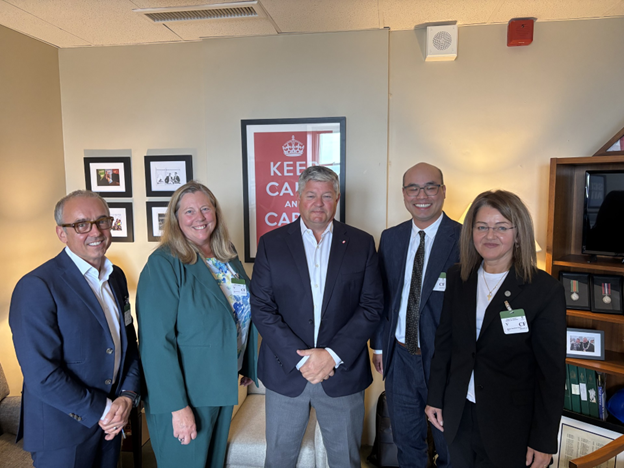
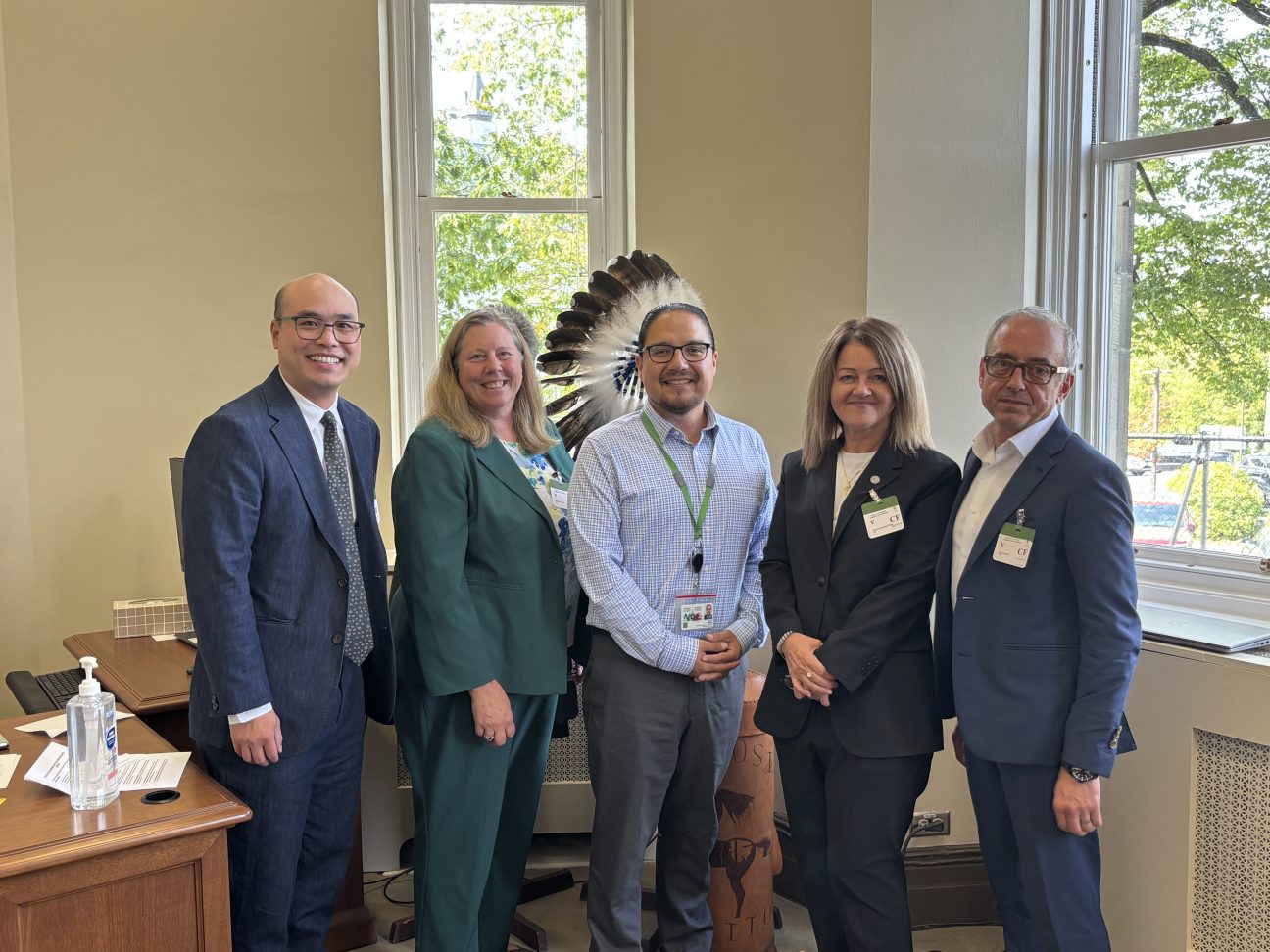
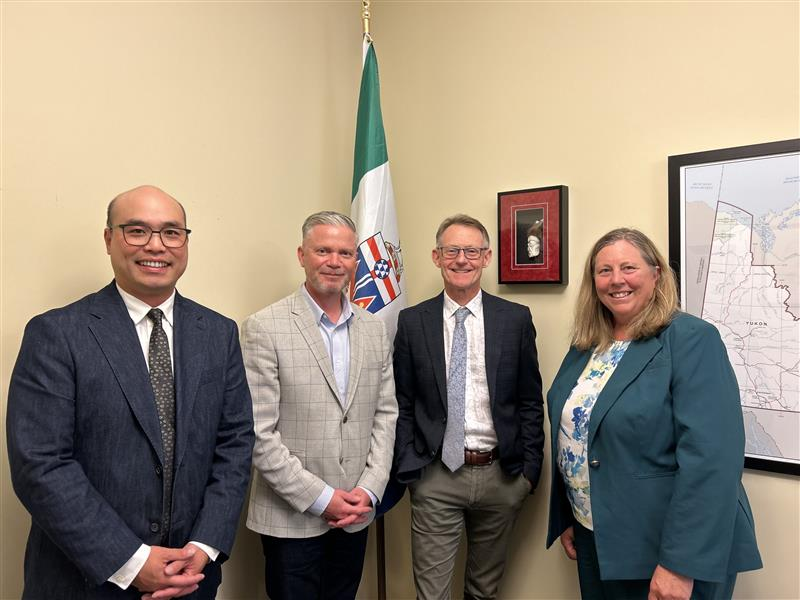
Over the past year, we convened three National Policy Working Groups to respond to emerging federal government priorities; relaunched the Canadian Awards for Planning Excellence; held a successful mini–Hill Day in September; and advanced countless other initiatives that are helping to strengthen planning practice across the country.
Thank you to everyone who joined us for ACTION 2025, the largest planning conference in Canadian history, with a record-breaking 1,476 in-person attendees and 504 online participants! It was truly energizing to connect with so many of you. I also want to extend a heartfelt thank you to Claire Basinki RPP, MCIP and the team at the Ontario Professional Planners Institute (OPPI). This incredible event wouldn’t have been possible without our partnership. I hope to see many of you again at FUSION 2026, our next national conference being hosted in partnership with Ordre des urbanistes du Québec (OUQ) in Montreal from July 7 to 9, 2026.

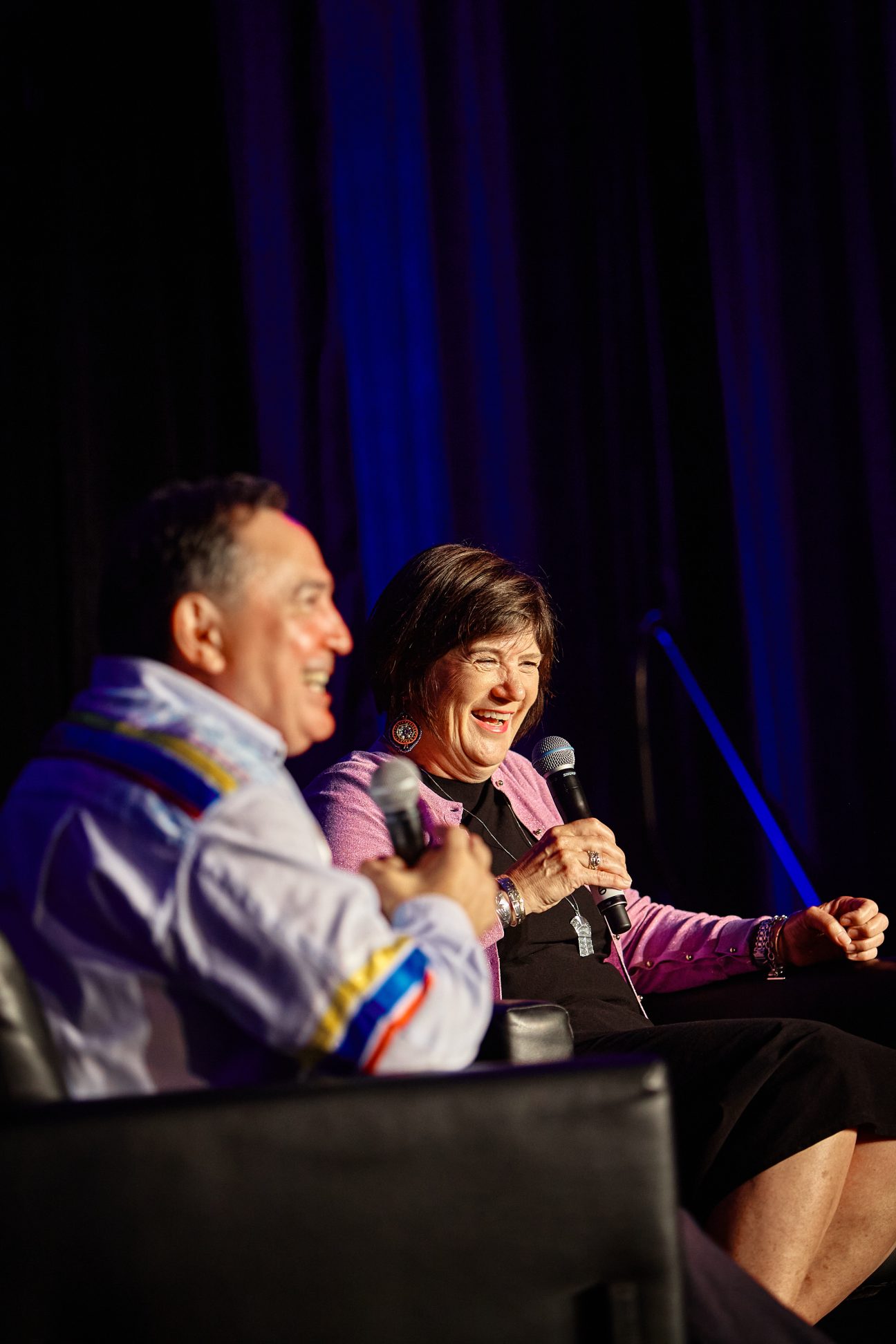
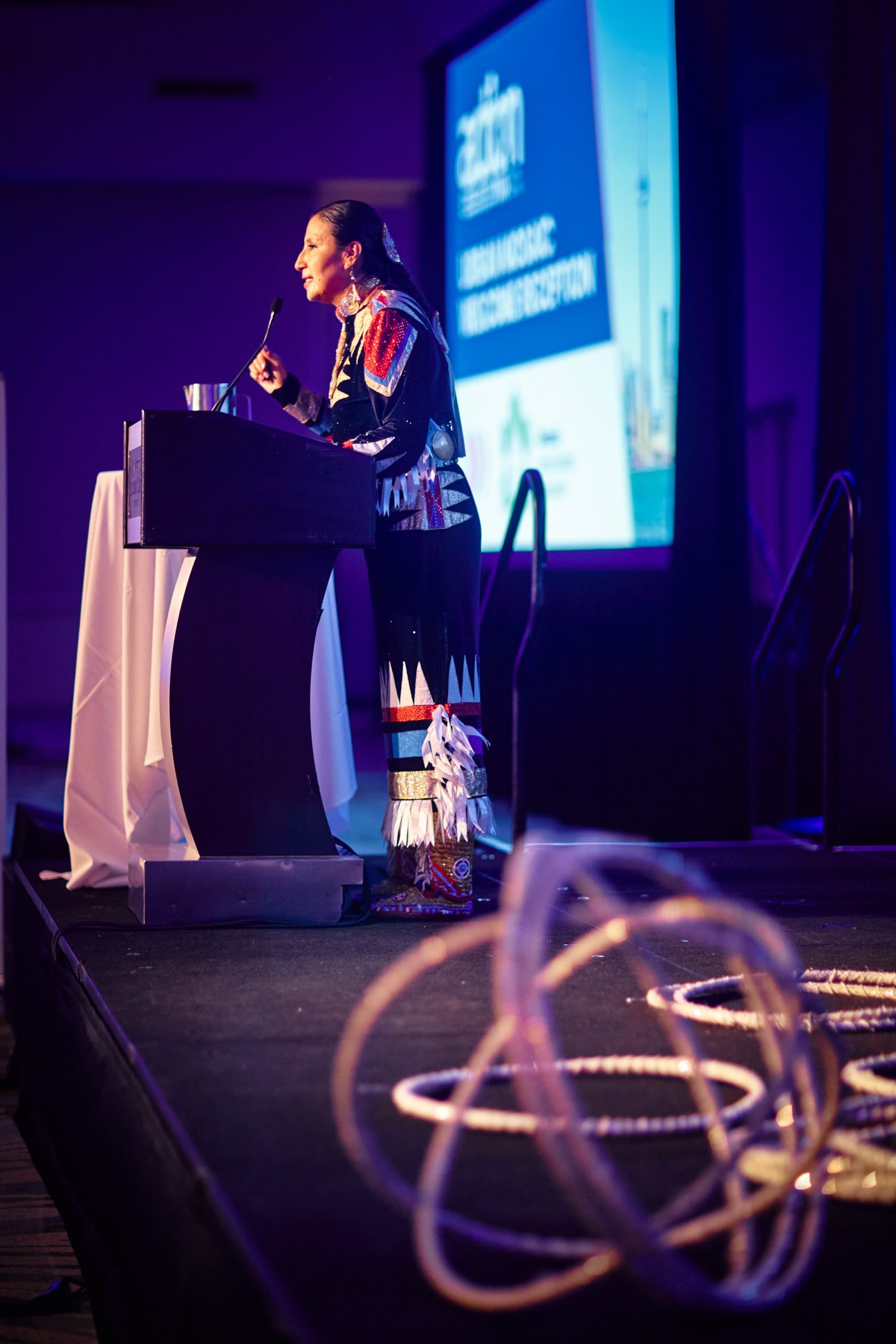
This past year has also been a time of reflection and renewed commitment to our journey towards reconciliation. Planners have a responsibility to ensure that Indigenous voices are not only engaged in planning processes but respected as rights-holders, knowledge keepers, and partners in shaping the future of our communities from coast-to-coast-to-coast. Our journey in 2025 has largely focused on developing CIP’s Reconciliation Action Plan. The Board chose to develop an action plan because we know that planning has a deep connection to the land, and with that comes a responsibility to acknowledge and address the ways our profession has been part of Canada’s colonial history.
This Reconciliation Action Plan is about more than just words; it’s about building real, respectful relationships with Indigenous communities and being intentional in how we move forward. We want to create a framework that provides structure and direction for our reconciliation journey. I want to take this opportunity to extend a special thank you to the members of our Indigenous Advisory Committee, whose guidance has been essential in shaping this work. I look forward to sharing the plan with all of you in 2026, and I hope it inspires lasting change in both mindset and practice within the planning profession.
Our membership has remained strong at more than 9,500 members, with an overall satisfaction rate of 82.15%, according to our most recent annual member survey. Importantly, we heard you loud and clear about what matters most to planners: there is strong support for increased national advocacy for the profession and a shared desire to ensure planning is visible, influential, and recognized for its impact.
Planners are on the front lines of some of the most pressing challenges of our time. CIP remains committed to advocating on your behalf and to supporting you with the tools, resources, and national leadership needed to drive meaningful change at both the local and national levels.
Thank you for your trust and confidence in CIP, and my sincere thanks to our dedicated staff, volunteers, and Board of Directors for making 2025 such a memorable and impactful year. I look forward to building on this momentum together and sharing more exciting developments with you in 2026.
With warm wishes for the holiday season,
Lesley Cabott RPP, FCIP, ICD D
President, Canadian Institute of Planners