
The Future Planners Program supports students and emerging planners as they prepare to transition from their studies into the planning profession. Through professional development, career resources, networking opportunities, and connections with participants, students build the skills and confidence needed to take the next step in their careers.
In this Q&A, we catch up with Braden Alexander about his experience in the Future Planners Program, the lessons and connections he gained along the way, and how the program has helped shape his next steps as a future planner.
What inspired you to participate in the Future Planners Program?
After graduating from Fanshawe College’s GIS and Urban Planning program, I knew I wanted to work in planning while maintaining a practical and technical perspective. When I saw that the Future Planners Program was open to graduates of any planning-related program, I saw it as a chance to learn alongside others from different educational and professional backgrounds and build a strong foundation at the start of my career. The program gave me the chance to connect with other emerging planners, hear about their experiences, and broaden my understanding of the profession. Having previously attended a PIBC conference, I was also excited to attend CIP’s FUSION conference to gain a national perspective on planning and expand my network.
What was the most valuable part of your Future Planners Program experience?
The professional development and networking opportunities were the most valuable parts of the program for me. Whether it was conversations with other program participants, mentors, or professionals at the conference, I enjoyed the mosaic of different experiences, roles, and career paths within planning. Those conversations gave me a broader understanding of the opportunities available and the many directions a career can take. The experience helped me better understand my own place in the profession and the perspective I can bring to it.
How did the program help you build connections within the planning profession?
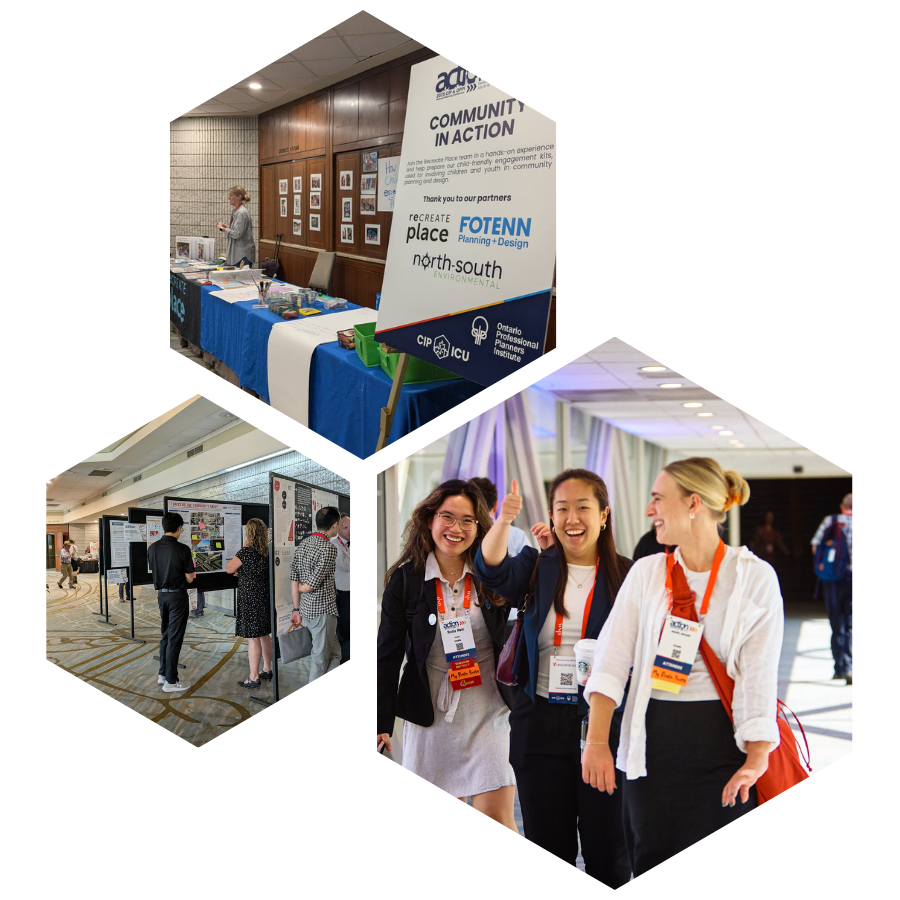
The program helped me build connections in a few different ways, from the Meet and Mentor session to the many conversations that happened throughout the conference. I particularly enjoyed hearing from planners working in rural, remote, and northern parts of Canada and learning about experiences that were very different from my own. Some of the more memorable discussions happened at social events, where people shared their unique paths that brought them into planning. Those interactions, along with conversations with exhibitors and professionals from across the country, helped me feel more connected to the profession and the people within it.
What did you learn about yourself as an Emerging Planner through your participation in the Future Planners Program?
The Future Planners Program confirmed that I am on the right path and gave me an even greater sense of excitement about pursuing a career in planning. I came to appreciate that there is no single path into our profession, and that the practical and technical skills that led me to planning are both valuable and relevant. The experience also strengthened my confidence in my work, my ideas, and how I should tackle the next steps in my career. It sparked an interest in exploring long-range planning and opportunities to work in regional planning.
What advice would you give to students considering the Future Planners Program?
If you’re on the fence about applying, I’d say go for it! The program offers a unique opportunity to meet planners and future planners from a wide range of backgrounds, experiences, and parts of the country. My biggest piece of advice is to say yes to opportunities and start conversations, even if stepping outside your comfort zone does not come naturally. Some of the most meaningful insights and connections I made came from simply being willing to introduce myself and learn from the people around me!
Is there anything you would like to share with CIP members?
If there is one thing I would like to share, it would be that there is value in every pathway into planning. As someone who came to planning through a career transition and a planning technician education, I was not always sure how my experience would fit alongside those who had been pursuing planning for much longer. The program reinforced that there is room in the profession for many different journeys and that those varied experiences are a strength rather than a limitation. Meeting planners from across Canada helped me appreciate the diversity of backgrounds and experiences within the profession, and I am grateful to CIP, the mentors, my fellow participants, and the Future Planners Program organizers for creating an environment where I felt welcomed, supported, and encouraged to contribute my own perspective.
Want to get more involved in the planning community?
Be part of Canada’s planning community. As a CIP member, you’ll gain access to a national network, exclusive career resources, and events tailored to every stage of your career.
About the Author
Braden Alexander is a Local Government Intern with the City of Penticton and holds a Diploma in GIS and Urban Planning from Fanshawe College. Braden is interested in long-range planning, housing, placemaking, and urban design, and brings a practical and technical perspective shaped by both his planning education and previous career in broadcasting and media production. He is particularly interested in how different pathways and experiences can contribute to the planning profession.