
CIP and OUQ hosted FUSION 2026, Canada’s premier national planning conference, in Montreal from July 7-9, 2026. The conference would not have been a success without the support of our student volunteers and our student volunteer partner, the City of Calgary.
In this Q&A, we catch up with Kate Wang, a Master of Environmental Studies in Planning student at the University of Waterloo, who shares highlights from the conference, lessons learned, and advice for fellow planning students.
Can you tell us a bit about yourself and why you decided to study planning?
I am a graduate student at the University of Waterloo, completing a Master of Environmental Studies in Planning this year. My previous career in the education and community service sectors helped me develop a strong appreciation for the way our physical surroundings affect human potential and daily life. This interest led me to planning, where social relations, public policy, and ecological management intersect to tackle urgent societal issues. I am especially drawn to the balance between land development and ecological conservation, and to the way strong policies can translate into implementation and positive impacts for local communities.
What motivated you to volunteer at FUSION 2026?
I first heard about the volunteer opportunity through CIP and thought it would be a great way to experience the national conference while becoming more involved in the planning community. I was especially excited to learn from planners working in different areas, explore topics beyond what I had studied at school, and meet other students and professionals from across Canada. As someone who is still early in their planning career, I saw FUSION as a chance to learn about different career paths and hear how others found their place in the profession. Before the conference, I was a little nervous about meeting so many new people, but I was mostly excited to be in Montréal, help with the conference, and make the most of the experience.
Was there a memorable interaction with a delegate, speaker, or fellow volunteer that stood out to you?
The Meet and Mentor workshop was one of the most memorable parts of FUSION for me. I had the chance to sit down with experienced planners and hear about their career journeys in several very open and relaxed conversations. What stayed with me was how different their paths were, and how their careers changed as they gained new experiences and discovered new interests. It reminded me that I do not need to have everything figured out right away. It is important to stay curious, keep learning, and be open to where different opportunities may lead.
What does being a part of the planning community mean to you, and how did this conference influence that at all?
Being part of the planning community means having a group of people who are willing to share ideas, experiences, and support each other as we work toward better communities. At FUSION, I was surprised by how easy it was to start conversations with planners from different cities, sectors, and stages of careers. I really appreciated how welcoming people were and how willing they were to share their knowledge and advice. The conference made the planning community feel much more real to me, not just something I learn about at school or see through work, but a professional community that I can be part of and contribute to as I grow.
Was there a topic discussed at the conference that changed the way you think about planning?
The International Presidents Panel really changed the way I think about the role of planners during uncertain times. The panellists discussed challenges that many countries are facing, including housing affordability, climate change, political polarization, and declining public trust. What stood out to me was that planners often need to respond to urgent pressures while still thinking about the long-term interests of communities. It reminded me that planning is not only about applying policies or finding technical solutions; it also requires us to build trust, work through different perspectives, and support evidence-based decisions. As I move forward in my career, I hope to keep this broader responsibility in mind and think carefully about both the immediate and long-term impacts of planning decisions.
How has volunteering at the conference influenced your career goals?
Volunteering at FUSION helped me better understand the kind of planner I hope to become. Many of the discussions showed that planning rarely has a simple answer, especially when communities are trying to accommodate growth while also protecting the environment, improving quality of life, and responding to different needs. This strengthened my interest in a balanced approach to development, one that recognizes the need for growth but also considers its long-term impacts on communities and the environment. The conference also encouraged me to look beyond one area of planning and keep learning from different perspectives as I build my career.
Do you have any advice for other planning students considering volunteering at future conferences?
I would definitely encourage other planning students to volunteer and to make the most of the experience beyond their assigned tasks. Look through the program before the conference, choose sessions that genuinely interest you, and do not be afraid to introduce yourself to other students, speakers, and professionals. Some of my favourite moments happened outside of formal sessions, through casual conversations while volunteering or between events. Volunteering also helped me become more comfortable starting conversations and connecting with new people, which is a skill I know I will continue to use throughout my planning career. Most importantly, be curious and enjoy the experience. You never know which session or conversation will stay with you.
Is there anything else you’d like to share with CIP members?
I would like to thank CIP, the conference organizers, and the volunteer team for making FUSION such a welcoming and rewarding experience. I especially appreciated how much effort went into helping student volunteers not only support the conference, but also attend sessions, meet people, and enjoy the experience ourselves. It was exciting to spend a few days in Montréal surrounded by people who care about planning and the future of our communities. I came home with new ideas, new connections, and great memories, and I am very grateful that I had the opportunity to be part of FUSION 2026.
Want to get more involved in the planning community?
Join CIP as a student member for free! As a student member, you’ll gain access to volunteer and networking opportunities, events, and the latest planning news to help you grow your career from day one.
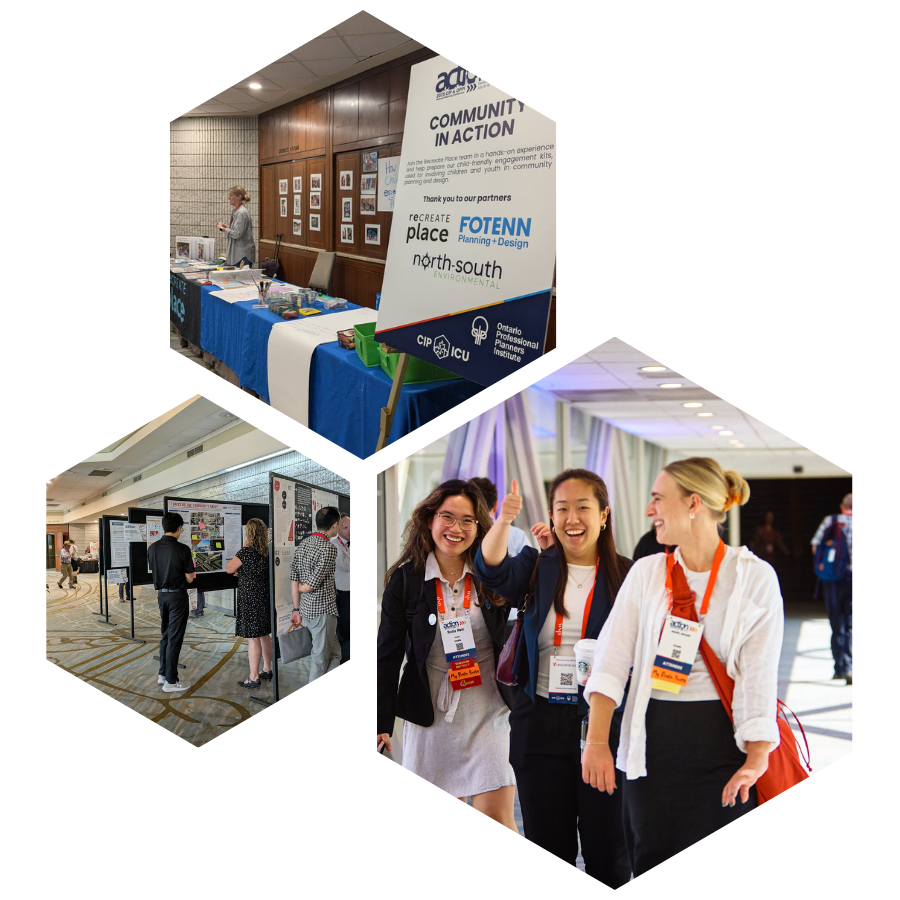
About the Author
Kate Wang is completing her Master of Environmental Studies in Planning at the University of Waterloo. Her planning experience across the municipal, provincial, and private sectors has shaped her interest in how policy is translated into practice. She is particularly interested in land use and environmental planning, with a focus on finding a balanced approach to growth, community needs, and environmental protection. Kate is excited to keep learning, build connections, and contribute to the planning profession.