
2025 Annual Report
Aaniin, Boozhoo! Ullakut! Hello, Bonjour!
CIP respectfully acknowledges our office is located on the unceded territory of the Anishinaabe Algonquin Nation. CIP values the ongoing stewardship of all First Nations, Inuit, and Métis peoples.
Report Contents
Letter from Our President, Lesley Cabott RPP, FCIP, ICD D
Dear Members,
It has been another busy and productive year at the Canadian Institute of Planners (CIP). Meeting with planners, attending provincial conferences, and awards celebrations have been a highlight for me and essential to learning about emerging issues and concerns, as well as celebrating achievements and innovation together.
In April 2025, we were pleased to welcome Deborah Morrison as CIP’s new CEO. Deborah truly hit the ground running, and under her leadership, together with the continued dedication of our staff, volunteers, and partners, we have made meaningful progress on priorities that matter most to planners.
Across the country, planners are on the frontlines of some of the most pressing challenges of our time. CIP remains committed to advocating on your behalf and supporting you with the tools, resources, and national leadership needed to drive meaningful change at both the local and national levels. A key priority for CIP and our new CEO has been to amplify the voice of planners on the federal stage, and engage more deeply in the public policy issues that so profoundly affect our work as community builders. We have made great strides here—engaging over 60 volunteers in our National Policy Working Groups last summer, who continue to inform our positions on budget priorities, rural economic development strategy, immigration targets, and housing supply solutions—to name just a few areas we have been engaged in. We conducted a very successful “Hill Day” last September, meeting with parliamentarians and government officials, and are looking forward to building on those relationships with another focused advocacy day this year.
The past year has also been a time of reflection and renewed commitment to our journey toward reconciliation. Much of our work in 2025 focused on developing CIP’s Reconciliation Action Plan. Planners have a responsibility to ensure that Indigenous voices are not only included in planning processes but respected as rights-holders, knowledge keepers, and partners in shaping the future of communities from coast-to-coast-to-coast. The Board chose to undertake this work because our members told us it was important. Planning is deeply connected to the land, and with that connection comes a responsibility to acknowledge and address the ways our profession has been part of Canada’s colonial history.
This Reconciliation Action Plan is about more than words—it is about building respectful, lasting relationships with Indigenous communities and being intentional in how we move forward. The plan provides a framework to guide CIP’s reconciliation journey and ensure accountability in the years ahead. I would like to extend a special thank you to the members of our Indigenous Advisory Committee, whose insight and guidance were essential in shaping this work. After many months of collaboration and dedication, we were pleased to share the plan in early 2026. I hope it inspires meaningful change in both mindset and practice across the planning profession.
I would also like to extend my sincere thanks to our outgoing Board members, Laura Hartney RPP, MCIP and Eliza Hydesmith, for their leadership and service to CIP’s membership. Their contributions have helped strengthen our organization and position it for the future.
Finally, thank you for your continued trust and confidence in CIP. My sincere appreciation goes to our dedicated staff, College of Fellows, policy, awards, and conference volunteers, and Board of Directors for making 2025 such a memorable and impactful year. We have a strong, collaborative network of organizations that are a key part of our success, including the PSB, the PTIAs, ACUPP, and the CIP-PSTF. Working together, we are stronger.
And to our members—thank you for your passion, commitment, and engagement. CIP is what it is because of you, and your voices will shape what it becomes in the years ahead. I look forward to working alongside you as we continue building vibrant, inclusive, and resilient communities that Canadians are proud to call home.
Cheers,

Lesley Cabott RPP, FCIP, ICD D
President, Canadian Institute of Planners
Letter from Our CEO, Deborah Morrison

Dear Members,
As I reflect on my first year as CEO of the Canadian Institute of Planners (CIP), I am filled with gratitude for the warm welcome and strong support I have received from our members. It has truly been an inspiring first year, and your engagement has made all the difference.
When I stepped into this role, I was given a clear mandate: to raise the profile of the planning profession and strengthen our national advocacy on behalf of our members. I’m proud of the progress we have made together in such a short time.
Our membership remains strong at more than 10,000 members, with an overall satisfaction rate of 82.15% according to our most recent annual member survey. Just as importantly, we heard you loud and clear about what matters most. Members expressed strong support for increased national advocacy and a shared desire to ensure that planning is visible, influential, and recognized for the vital role it plays in shaping our communities.
In response, we convened three National Policy Working Groups to respond to emerging federal priorities, and hosted three consultations with federal officials on immigration levels, the national building code, and the impact of development charges on accelerating housing supply. We relaunched the Canadian Awards for Planning Excellence, held a successful mini Hill Day in September, and advanced a range of other initiatives that are helping to amplify the voice and the value of professional planning across the country.
Another highlight of the year was ACTION 2025, the largest planning conference in Canadian history. The event brought together a record-breaking 1,486 in-person attendees and 504 online participants. It was energizing to connect with so many planners from across Canada and beyond. With a strong international delegation in attendance, the conference offered valuable opportunities to exchange ideas and perspectives with planners from around the world. Despite the distances between us, it was striking to see how many of the same challenges and opportunities we share.
I would also like to extend a heartfelt thank you to our partners at the Ontario Professional Planners Institute (OPPI) and to their Executive Director, Susan Wiggins, who recently announced her retirement. This incredible event would not have been possible without their collaboration and dedication.
Looking ahead, I hope to see many of you again at FUSION 2026, our next national conference, which will be hosted in partnership with the Ordre des urbanistes du Québec (OUQ) in Montréal from July 7 to 9, 2026.
Thank you once again for making this such an inspiring first year at CIP. I look forward to continuing this work together and to all that we will accomplish in the years ahead.
Cheers,

Deborah Morrison
Chief Executive Officer, Canadian Institute of Planners

CIP CELEBRATES
10,689
MEMBERS
5,581
Professional Members (MCIP)
1,975
Accredited Students
1,362
Candidate Members
639
Non-Accredited Students
289
Non-practicing
377
Pre-Candidates
221
Retired Members
94
Public Subscribers
82
Lifetime Members
69
International Members
As of 2025, CIP is now over 10,000 members strong. This important milestone was made possible thanks to the loyalty of every member, past and present, who has placed their trust in CIP as the voice of Canada’s planning profession since 1919. Thank you, CIP members, for your commitment, loyalty, service, and support of the Institute. We are strong because of you.
Our members are the heart of CIP, driving innovation, leadership, and excellence in the planning profession. In 2025, we were proud to recognize and celebrate their outstanding contributions through awards, volunteer initiatives, and our digital badge program.
Congratulations New MCIPs
In 2025, CIP was proud to welcome 335 new MCIPs. For decades, the MCIP® title has united members of the planning profession. For professional members, it serves as a representation of years of hard work and dedication.
Members of the Canadian Institute of Planners (MCIP®) are actively engaged in the planning profession and are a Registered Professional Planner (RPP), Licensed Professional Planner (LPP), urbaniste, or equivalent fully certified member residing in Canada.
Policy and Advocacy: Taking Action on Issues That Matter to Our Members
In 2025, laying the groundwork and creating a strong foundation to elevate the voice of planners on the national and international stage was a top priority. Over the past year, CIP strengthened our advocacy efforts by engaging directly with federal officials, collaborating with partners, and creating opportunities for planners from across the country to inform national conversations.
During the federal election, we wanted to hear directly from our members about what matters most in their work. In response to a national survey, planners shared the biggest challenges they’re facing, the changes they want to see, and the role they believe planners should play in shaping the future of Canada’s communities. Insights from our members are helping us focus our advocacy efforts where they count most.
Most Important Issues to You

Housing

Healthy Communities

Climate Change
Biggest Obstacles Impacting Members’ Work
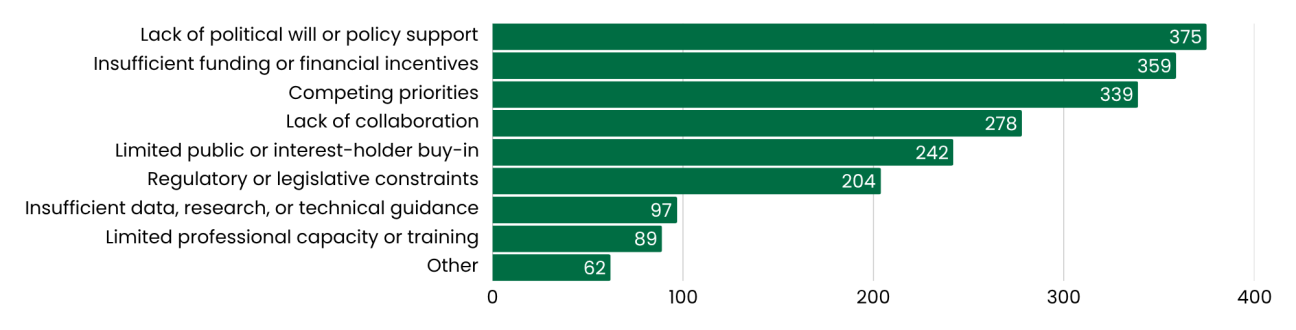
Following the federal election, a key focus of our work was convening members to respond to emerging federal priorities. This included bringing together three National Policy Working Groups, for planners to share their expertise and help shape national responses. We also continued to foster collaboration across the country through the National Planning Directors Network, which now includes over 150 members and met four times over the year to discuss shared challenges and opportunities facing municipalities of all sizes.
In the fall, CIP hosted a successful mini-Hill Day, creating opportunities for planners to connect directly with federal officials and highlight the role of planning in addressing national priorities. Over the course of the year, we held 15 meetings, ensuring that planners have a seat at the national decision-making tables.
CIP also contributed to national policy conversations through three formal statements and submissions, offering planning insights on issues affecting communities across the country.

The Canadian Institute of Planners Stands with Members Amid U.S. Tariffs and Economic Uncertainty
In response to the tariffs imposed on Canada by United States President Donald Trump, CIP expressed its deep concern over the economic implications for the planning profession. CIP stands in support of our members, planning professionals, and the communities we serve as we navigate this evolving landscape together.

Federal Budget 2025: Building One Canadian Economy That Strengthens Our Communities
In response to the federal government’s call for pre-budget submissions, CIP has submitted our recommendations to the Standing Committee on Finance ahead of the Fall Economic Statement and Budget 2025.

Housing is Where Jobs Sleep at Night: Response to the Build Canada Homes Market Sounding Guide
Our members practice in communities of every size across the country, offering unique, on-the-ground expertise that can strengthen the Build Canada Homes program. CIP is therefore pleased to provide feedback on the Build Canada Homes Market Sounding Guide.
Partnerships remain essential to our advocacy work. Over the past year, CIP actively engaged with 12 networks, including four Indigenous networks, to broaden collaboration and ensure diverse perspectives inform our work. We also hosted four webinars in partnership with external organizations, including one with an Indigenous partner, and participated in three conferences, including one focused on land management and collaboration.
Together, these efforts help ensure that the voice of the planning profession is present in national discussions and that planners are well-positioned to help build stronger, more resilient communities across Canada.
Career Support for Life
In 2025, CIP continued to deliver on its commitment to supporting planners at every stage of their careers through accessible, practical, and impactful resources. With 1,572 webinar registrations with an 88% overall satisfaction rate, 113 enrollments in The Path: Your Journey Through Indigenous Canada, and 24 Student Liaisons, we’re proud to nurture the next generation of planners while enhancing lifelong learning for all.
National Job Board
The CIP National Job Board is designed to help professionals find planning-related positions that align with their skills and interests. In 2025, the job board underwent a migration and rebrand and is now hosted within the CIP website.
We’ve made key improvements to help employers connect with top talent and job seekers discover new opportunities. Whether you’re hiring or looking for your next role, explore the benefits of our updated platform!
CPL Reporting

13,956
CPL Units Issued

1,395
Climate Change CPL Units

2,597
Healthy Communities CPL Units

1,841
Housing CPL Units

2,024
EDIA CPL Units

2,055
Reconciliation CPL Units
National Conference
CIP and OPPI were thrilled to host ACTION 2025, the largest planning conference in Canadian history, with a record 1,486 in-person and 504 online conference attendees in Toronto.
The national conference combined professional planning education and research, experiential workshops, networking, career development, and fun over three days, 93% of conference survey respondents affirmed that they successfully achieved their objectives for attending the conference.
A heartfelt thank you to the team at the Ontario Professional Planners Institute (OPPI). This incredible event wouldn’t have been possible without our partnership.
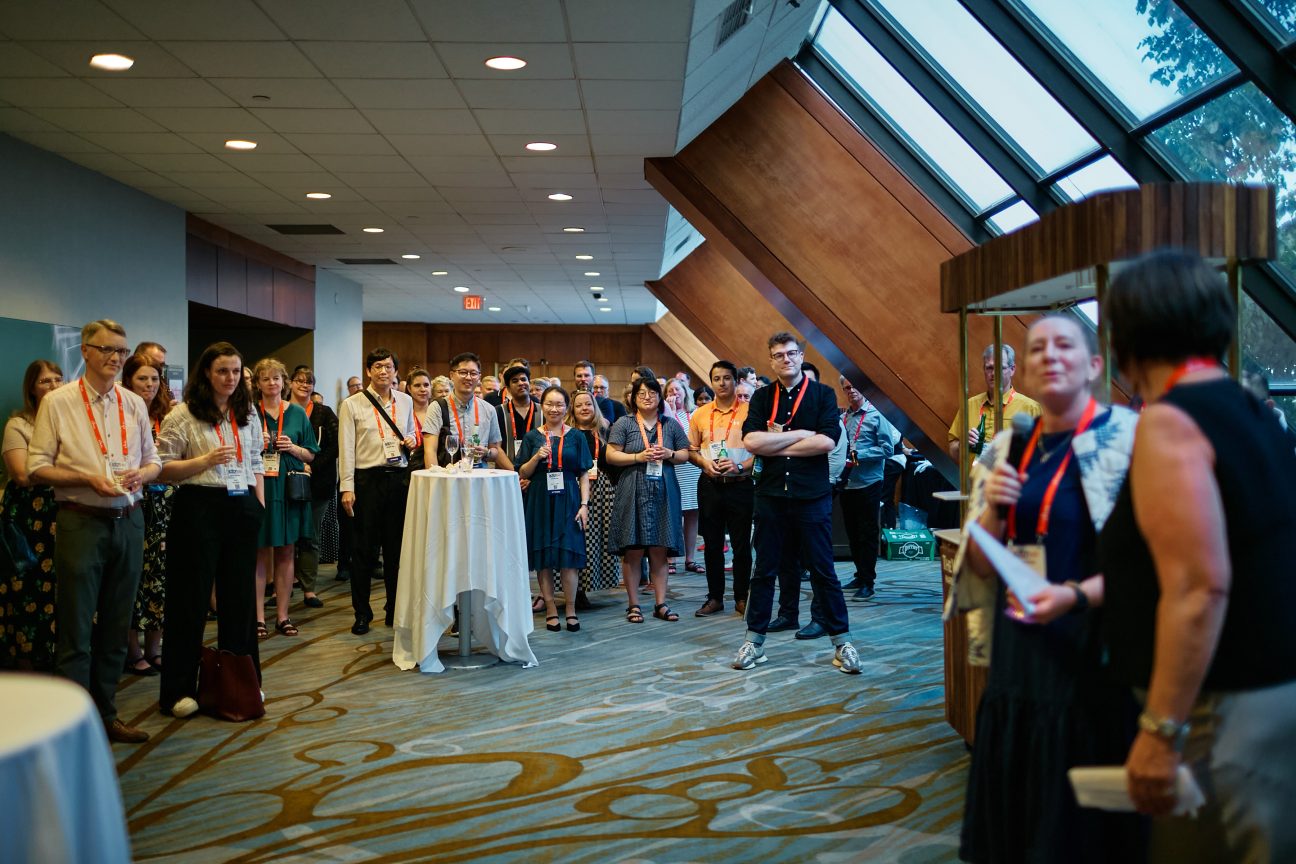
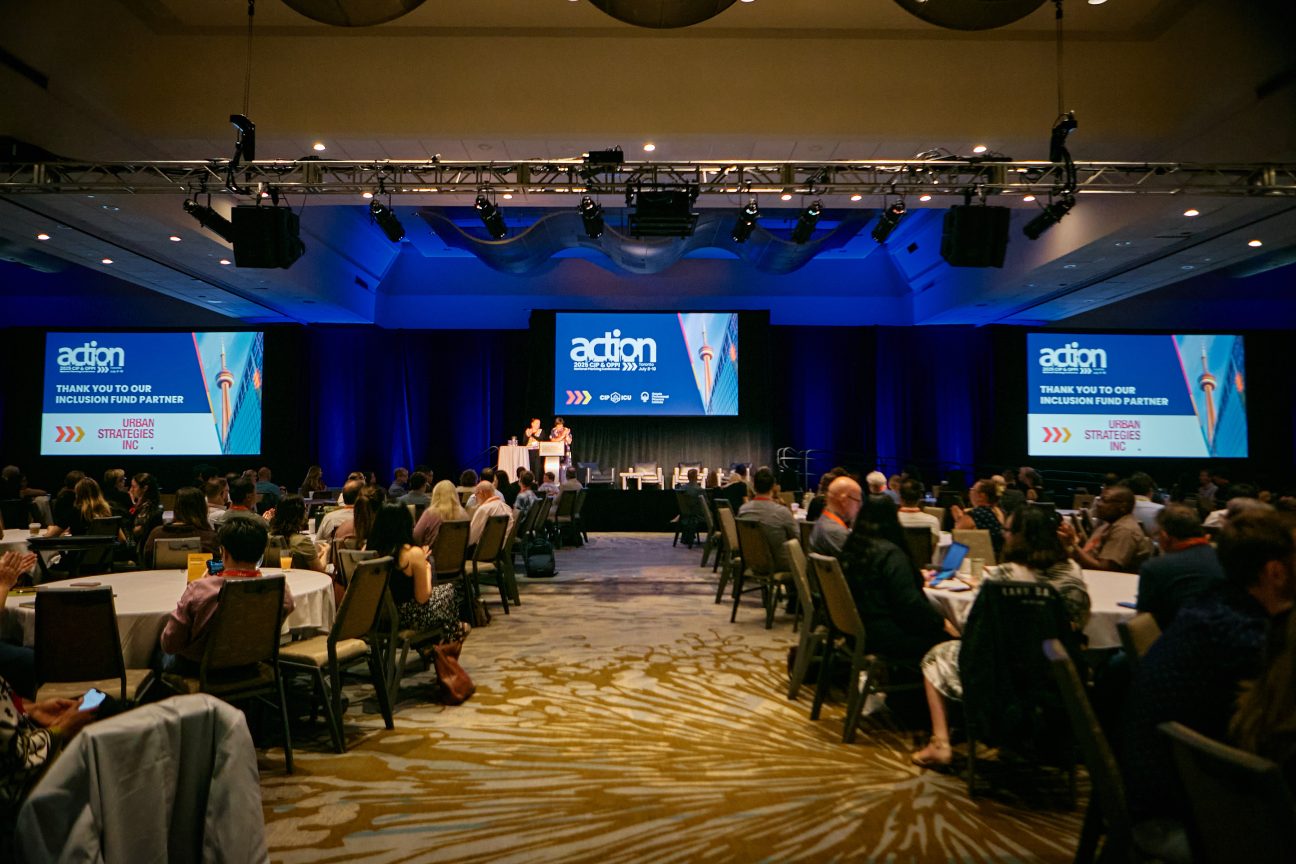

Click here to view the ACTION 2025 Gallery.
Plan Canada
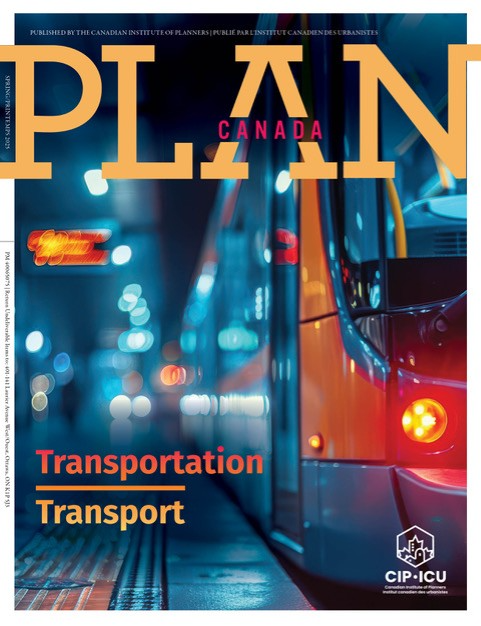
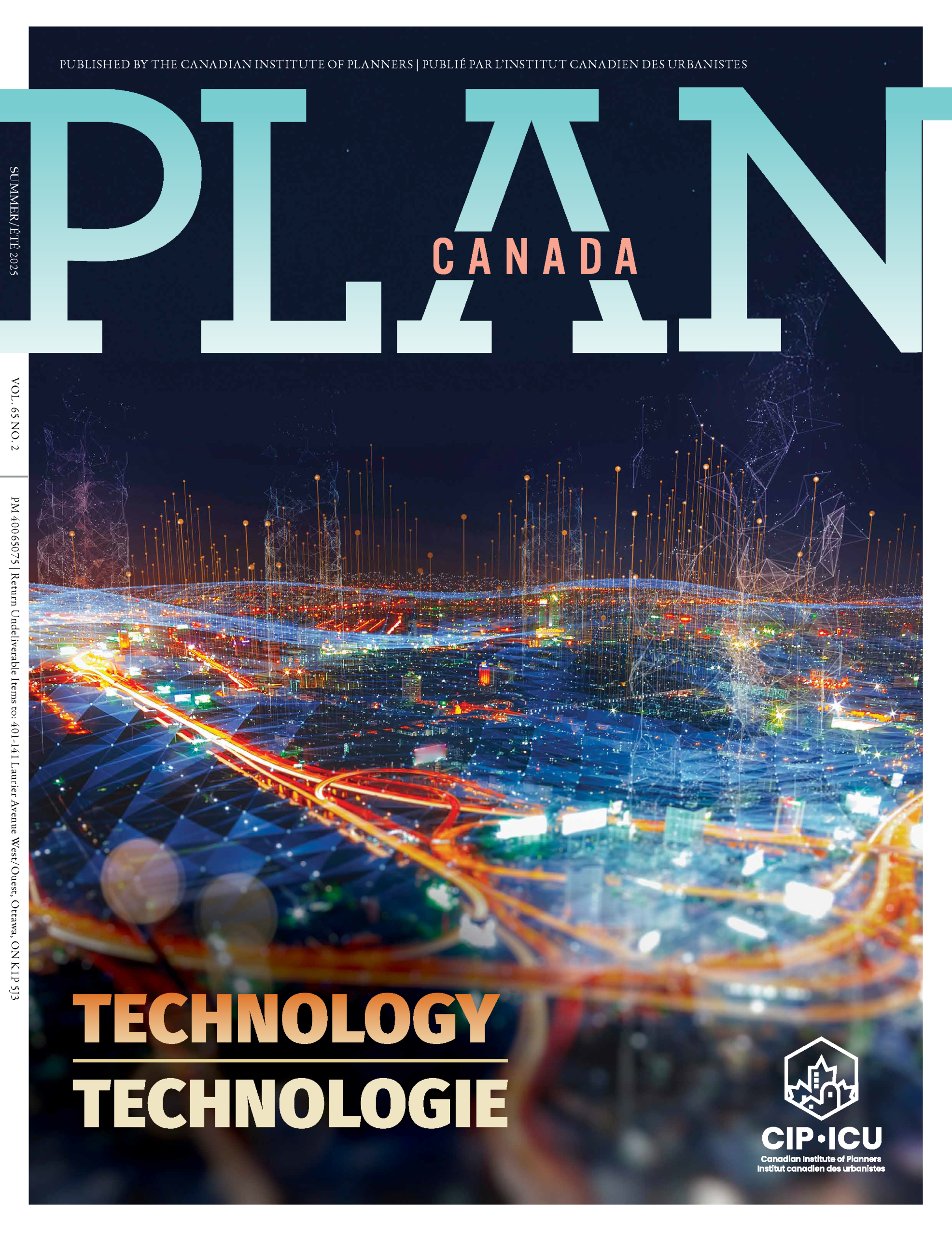
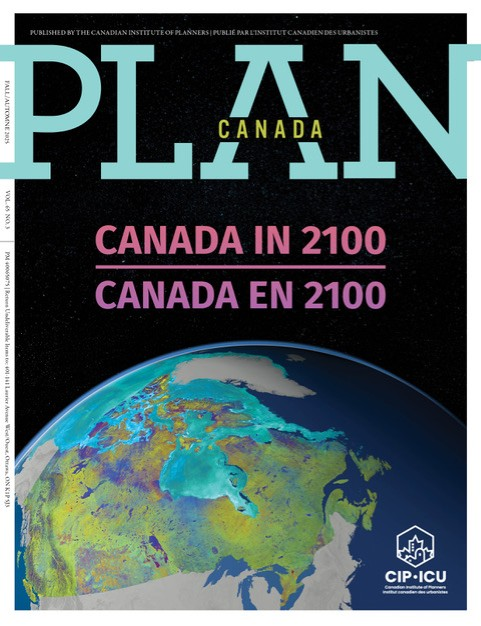
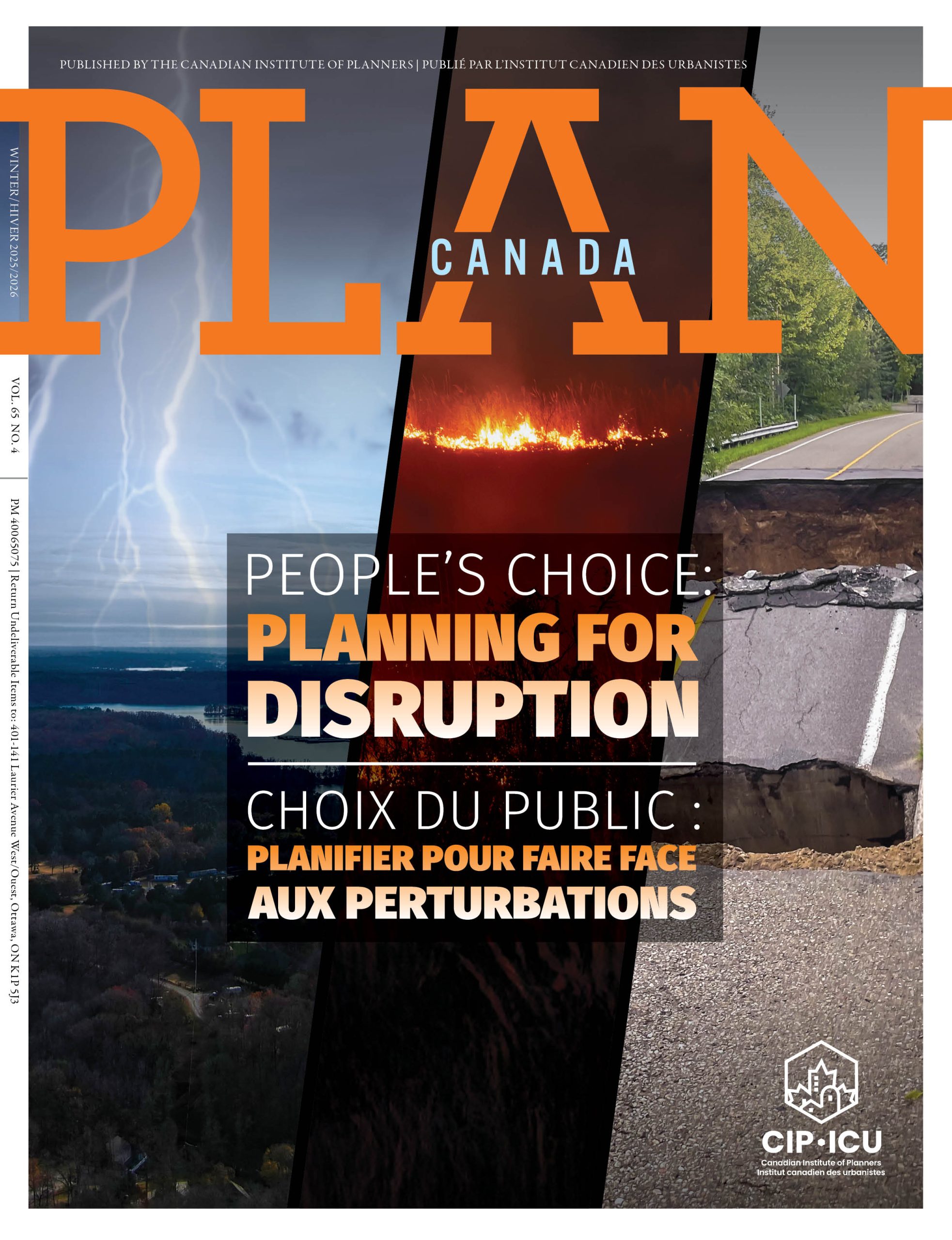
Plan Canada, one of CIP’s most valued member services, published four issues in 2025 exploring key themes such as Transportation, Technology, Imagining Canada in 2100, and Planning for Disruption. We also continued our popular Plan Canada webinar series, which brought together authors and readers for a discussion of the issue’s theme.
Honours & Awards
Our members are the heart of CIP, driving innovation, leadership, and excellence in the planning profession. In 2025, we were proud to recognize and celebrate their outstanding contributions through awards, volunteer initiatives, and our digital badge program.
This year marked the exciting revival of CIP’s awards for excellence program, honouring the most impactful and transformative planning initiatives across Canada. These awards highlight the talent, dedication, and creativity of planners who work to build stronger, more sustainable communities.
College of Fellows
Fellowship in the Canadian Institute of Planners is the highest honour that can be bestowed upon a planner.
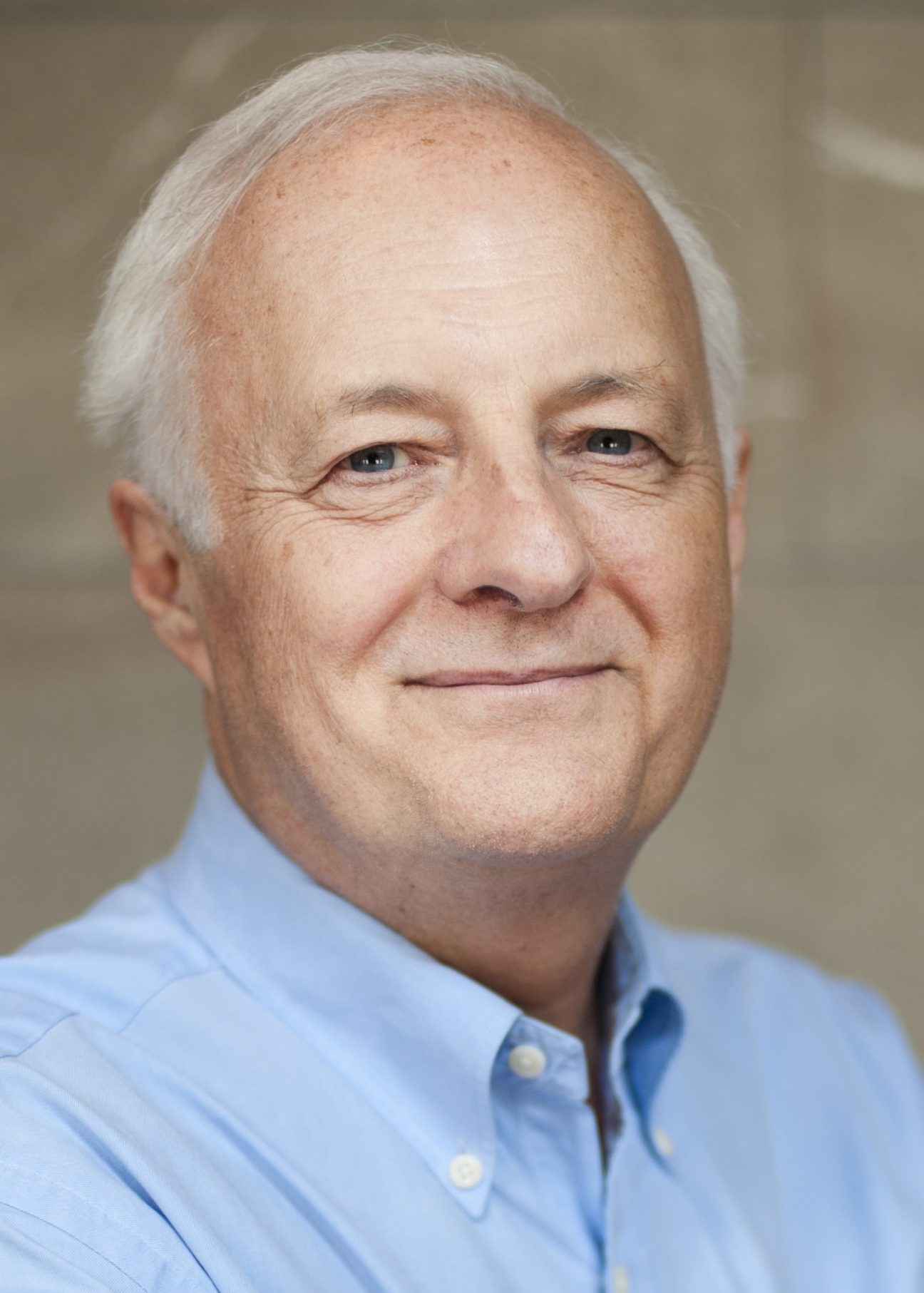
Clément Demers urbaniste émérite, FCIP is an architect (OAQ, FIRAC), urban planner (OUQ, CIP), project manager (Governor of PMI-Montréal), honorary professor and accredited mediator (IMAQ, IAMC). He has pursued parallel careers in a variety of fields and has often been involved on a voluntary basis, making a significant contribution to the planning profession. His diverse experiences have shaped a unique transdisciplinary practice, enabling him to hone innovative approaches to the realization of high-impact urban and cultural projects. The projects realized under his direction are lasting legacies, from the enhancement of Old Montreal to the Quartier international de Montréal and the Quartier des spectacles de Montréal. He has lectured around the world and contributed to over a hundred organizations and expert committees, some of which he has chaired, such as the NCC’s ACPDR and the City of Westmount’s PAC.
Clément was named an Officer of the Ordre national du Québec in June 2023 for his outstanding contribution to architecture, urban planning, design and urban project management.

Eleanor Mohammed is a renowned Registered Professional Planner with over 20 years of transformative impact across the public-, private- and not-for-profit-sectors in Canada and internationally. She is a Partner at DIALOG, specializing in urban governance and land use planning. She is also the Chair of the UN-HABITAT Professionals Forum and a Board Director for Canada’s National Capital Commission.
A former President of the Commonwealth Association of Planners, Canadian Institute of Planners, and Alberta Professional Planners Institute, she has spearheaded diverse projects, from sustainable development advocacy and professional capacity development to multilateral international engagement. Eleanor has the distinction of being the longest-serving female President of the CIP and was responsible for leading a major rebuild of the Institute between 2016 and 2020. Since 2021, she has been an inspiring speaker for the CIP Emerging Leaders Program, kicking off each cohort with the exploration of ‘What is a Leader?’.
Eleanor has held senior executive municipal positions in eastern and western Canada, which has provided her with a Canada-wide perspective and approach to city-building and land use. Her expertise spans legal instruments, city-wide plans, strategic plans, and innovative projects, such as leading the City of Beaumont’s autonomous shuttle initiative – a first of its kind in Canada. She was also recognized on the Royal Town Planning Institute’s (U.K.) International Women of Influence list. Eleanor’s dedication to community service and the profession is evident in her work, her authentic relationships, and the lasting positive impact she has on the Planners and communities she works with.

Emilie K Adin is a trailblazer with 25 years of experience in various leadership roles, including Deputy Director of Planning in Langford, Director of Community Services in North Vancouver City, and Director of Climate Action, Planning + Development in New Westminster. She has also served as a dedicated educator, including in the role of Adjunct Professor at the School of Community and Regional Planning at UBC since 2018. Throughout her career, Emilie has demonstrated mastery in planning principles and has implemented impactful initiatives that have benefitted communities across Canada. She has garnered or shared in over 20 professional awards, including several national honors, for her leadership in areas such as housing, development, and green buildings. Emilie is also an avid volunteer and mentor, and has published insightful articles on mentorship. Her prolific writing includes dozens of publications, including her popular “PlanGirl Travels” series and her upcoming book “The Urban Curious Guide to Europe.” Currently serving as President of the Planning Institute of BC, Emilie continues to inspire and shape the future of planning through her dedication to the profession and her leadership.

Lindsay Chase is an accomplished local government planner, mentor and leader in the profession. For over two decades, she has dedicated countless hours volunteering with PIBC, CIP, and the Professional Standards Board, significantly advancing the profession through the Planning for the Future (PFF) Project. Lindsay played a key role in establishing new national standards for planners and accrediting university programs, ensuring the success of these initiatives through collaboration with ACUPP and CIP. She also contributed leadership to stabilize CIP during a challenging period.
In her professional practice she is passionate advocate for a career in the public sector, and has devoted her career to local government practice. Lindsay is currently the Director of Planning at the District of Saanich leading a diverse team of professionals as Saanich grows its urban areas while continuing to protect rural lands. She previously worked with the Town of View Royal, the City of Victoria, and the Regional District of Nanaimo.
As a professor at Vancouver Island University, Lindsay integrates her extensive professional experience into teaching, mentoring students in the Master of Community Planning program at VIU for over 10 years. Her doctoral research also reflects her commitment to the profession, particularly in governance, ethics, and professional practice. In addition to her academic work, Lindsay actively contributes to professional development as a frequent conference presenter. She continues to serve the profession as a volunteer with the PIBC Professional Conduct Review Committee, ensuring the planning profession remains strong.
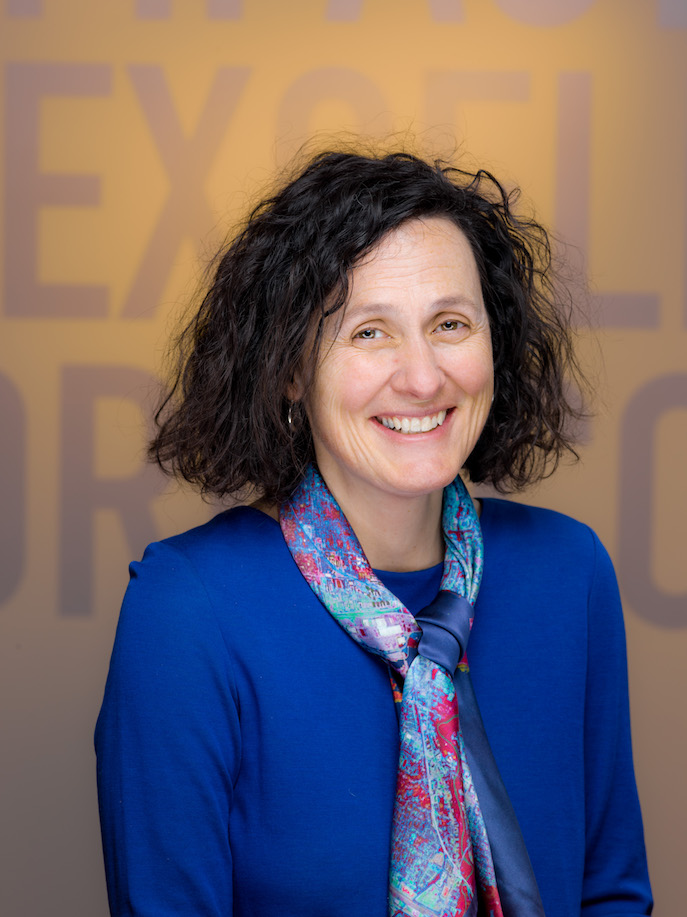
Dr. Pamela Robinson, PhD, RPP, FCIP is a Professor and Graduate Program Director at the School of Urban and Regional Planning at Toronto Metropolitan University (TMU) and the Academic Director of City Building TMU. With over 30 years of experience, Pamela has significantly advanced the planning profession through her work as a practitioner, academic, and mentor. She has provided strategic advice on sustainable development, smart cities, and civic technology, influencing policy and planning frameworks at all levels of government. Pamela is recognized as a leading expert in climate change, urban sustainability, smart cities, open data, AI, and governance. Her current research explores questions around AI governance and smart cities, with a focus on public engagement. Pamela has supervised over 50 graduate students and mentored many early-career professionals. She is also a tireless advocate for evolving our profession and practice to be more sustainable, accessible and inclusive.
Imagining Canada in 2100: A Bold Vision for Planning’s Role in Achieving Sustainable Prosperity
Looking ahead to the year 2100, this report, prepared by the College of Fellows, outlines a once-in-a-generation opportunity for the Canadian Institute of Planners and its members to refresh and elevate the role of planning in Canada.
To this end, a key purpose of this report is to ask that the Canadian Institute of Planners lead the profession in collaborating with government, business leaders and other key institutions to formulate and implement policies to grow Canada’s population in ways that equitably respond to the needs of current citizens and newcomers, as well as future generations, by planning for a Canada that is economically, socially and environmentally sustainable for all.
Emerging Planner Award
This award celebrates the leaders of tomorrow, recognizing outstanding professional success and achievement in the first ten years of a planner’s career.

Byungjun Kang is a senior planner with Halifax Regional Municipality who has significantly advanced the planning profession through mentorship, knowledge sharing, and community engagement. He has led key projects, including drafting a secondary strategy and land use by-law in Lunenburg and advancing regulatory changes in Halifax to support equitable housing and density under the Housing Accelerator Fund. Byungjun has also trained dozens of emerging planners, creating a 120-page guidebook to help them write and interpret land use by-laws in plain language, fostering an informed and inclusive profession. Regionally, he hosts lunch-and-learn sessions, sharing insights like “Lessons Learned from the Housing Crises in Seoul” with LPPANS. Externally, he mentors urban planners through Planuyemo Razom and guest lectures at Dalhousie School of Planning. Byungjun is also the founder of PLANifax, a student-run non-profit dedicated to planning education, which won the Atlantic Planners Institute’s Public Outreach and Communication Award for its impact on public engagement.

Teunesha is a dynamic community planner with a strong background in both public and private sectors. She earned her Master of Community Planning degree from Vancouver Island University, where she demonstrated leadership by founding various student-led organizations/roles and receiving the Queen Elizabeth II Diamond Jubilee Scholarship for her thesis on community involvement in land use planning in Belize.
Professionally, Teunesha began her career development consulting for a social enterprise that develops affordable housing throughout BC, she then moved on to be a municipal planner in a fast-growing community in Greater Victoria and eventually returned to development consulting for the private sector. Today, Teunesha is an Owner and Principal at Westplan Consulting Group where she works on development approvals, with a focus on master-planning and Indigenous collaboration.
A strong advocate and ally for women’s and LGBTQIA2S+ equality, she mentors young planners, sponsors student interns, and contributes to educational initiatives such as the ADAPT Toolkit, demonstrating a lasting commitment to both her profession and her community. Teunesha would like to dedicate this award to her late father, who would have been so proud.
Canadian Awards for Planning Excellence
Since 1983, these prestigious awards have celebrated the very best in Canadian planning. CIP is excited to usher in a new era for the Canadian Awards for Planning Excellence, offering a fresh perspective while staying true to its core purpose: recognizing excellence, creativity, and real-life impact. In May 2025, CIP was proud to announce the inaugural winners.
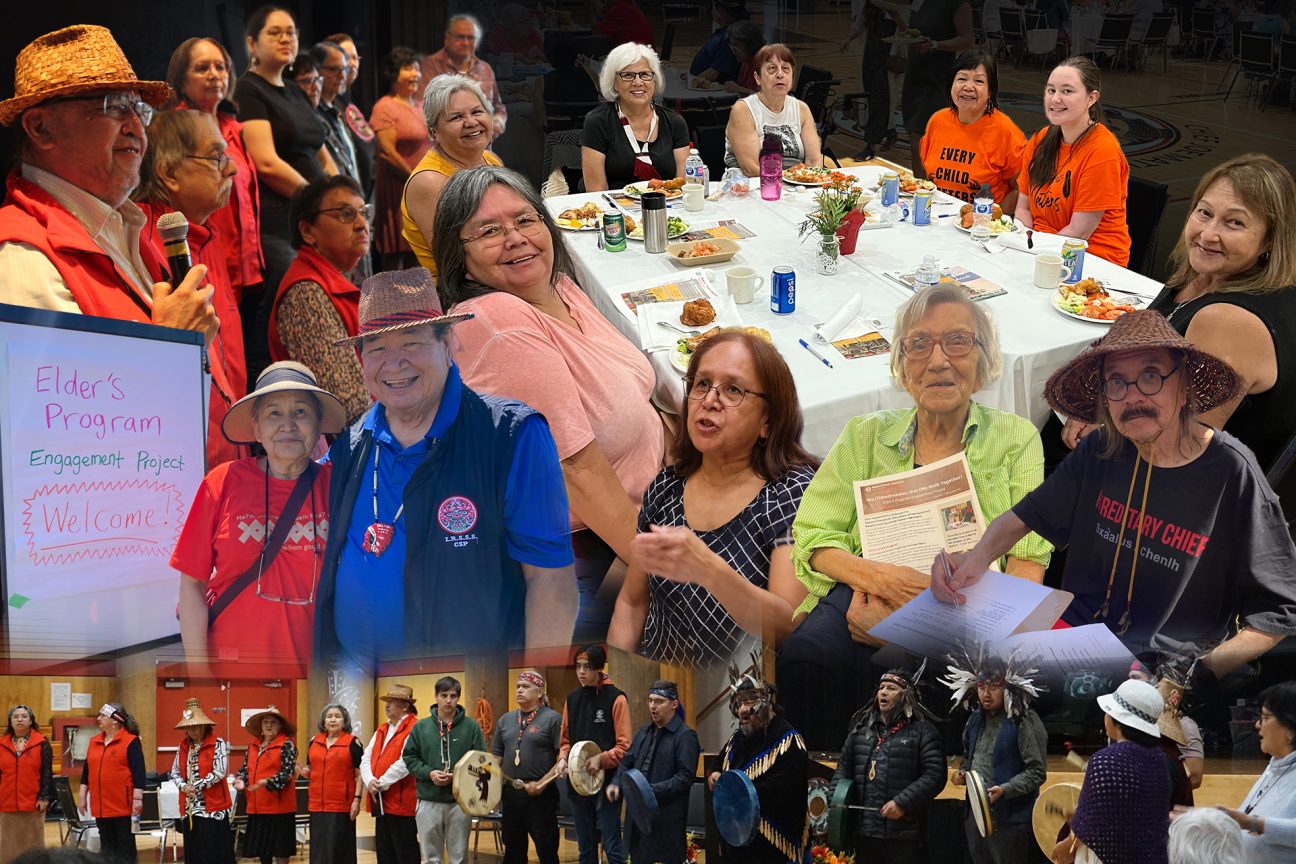
The Chet wa í7sun “We Pull Together:” Sḵwx̱wú7mesh Úxwumixw Elder’s Program Plan was developed to address the exclusion, isolation, and inequity faced by Elders, including those in care homes and living away from home. This Elder-led initiative reflects a culturally grounded, participatory process designed to prioritize healing, cultural authenticity, and community involvement. Over two years, more than 400 Elders aged 55+ contributed to shaping the plan, guided by the Xwí7ski (“Let’s Go!”) group in collaboration with Beringia Community Planning. The plan emphasizes decolonization, trauma-informed approaches, and strengthening Elder inclusion and decision-making, with implementation supported by Council approvals, budgets, and community collaboration.
Team members:
- Tselkwilem’t Byron Joseph
- Sisolia Donna Billy
- Lats-mat Mary Jane Natrall
- Sxwch’alten Kevin Rivers
- Wendy Lockhart Lundberg
- Sulseelsamat Gladys “Flo” Williams
- Sesaxwalia Aggie Andrews
- Barry Cordocedo
- Ketaxtenaat MJ Jacobs
- Mason Gamley
- Tsawaysia Dominique Nahanee
- Kw’x’aliya Josie Harry
- Thlee kul wut Monica Jacobs
- Sxwélhchaliya-t/ Tłaliła̱łg̱awe’ Jordan Ann Joseph
- Glenda Gibbon
- Samaya Jardey
- Bob Sokol
- Tlatlakwot Christine Baker
- Austin Chandler
- Yataltenat Kelley McReynolds
- Kate Kittredge
- Jeff Cook
- Paula Hay
- Lucie Neliba
- Justine Jordan
- Kiyúls Waylon Bo Baker
- Shawn Turgeon
- Celestino Silveira
- Laxelwet Evangeline Nahanee
- Sandra Jacobs
- Teresa Andrea Harry
- Jenny Guss
- Heather Spence
- H’wopey Gwen Baker
- Cyndi Baker
- Shanda Dosanjh
- Francis Baker
- Chanelle Lewis
- Jacinthe (Jazz) Gosselin
- Ruby Carrico
- Lesley Campbell
- Mackenzie Gomez
- Sharon Roling
- Susan Leon
- Bruno Marques
- Dana Bayne
- Laura Hillis

The City of Edmonton’s Zoning Bylaw Renewal Initiative modernizes zoning regulations to support housing diversity, affordability, and equity. This initiative simplifies zoning by reducing zones from 46 to 24, streamlining approvals and permitting up to eight dwellings on a standard lot. Innovative features include a “Small Scale Flex Residential Zone” with approval timelines as short as one day and the use of a Gender-Based Analysis Plus Toolkit to promote inclusive, equitable planning. City-wide rezoning, an improved online interface, and educational resources ensure a smooth transition. Early results show increased multi-dwelling housing approvals, meeting evolving community needs.
Team Members:
- Livia Balone RPP, MCIP
- Trevor Illingworth RPP, MCIP
- Christian Lee RPP, MCIP
- April Gallays RPP, MCIP
- Darbi Kinnee
- Jason Syvixay RPP, MCIP
- Calvin Chan RPP, MCIP
- Michelle Neilson RPP, MCIP
- Katherine Pihooja
- Samantha Buccino
- Robert Rutherford RPP, MCIP
- Arthur Poon
- Marco Beraldo
- Daniel Morin RPP, MCIP
- Alisa Oum
- Felipe Canavera RPP, MCIP
- Michelle Yip
- Stephen Cooke
- Jennifer Becker
- Monika Tulipan
- Beth Frigo
- Jennifer Renner
- Kalina Broda
- Michael Doyle RPP, MCIP
- Thomas Lippiatt, RPP, MCIP
- Jessy Inkpen
- Brandon Dyck
- Caroline Barlow
- Azure La
- Christine Lee RPP, MCIP
- Christine Lachance
- Amanda Sheehy
- Corina Ganton
- Gabrielle Donoff
- Georgina Campos
- Trevor Devlin
- Kenji Johnson
- Gabriella Dunn
- Claire Wasel
- Michael Withers
- Dustin Tanton
- Green Space Alliance
- Populus Community Planning Inc.
- Opticos Design Inc.

The District of Saanich recently developed two innovative strategies to strengthen the District’s climate resilience and protect its natural assets: the Biodiversity Conservation Strategy (BCS) and the Urban Forest Strategy (UFS). The BCS prioritizes protecting and restoring natural habitat, connecting ecological corridors, and enhancing ecosystem services. The UFS focuses on strengthening urban forestry practices, maintaining the District’s tree canopy and improving tree equity. These two strategies used advanced LiDAR and GIS technologies to develop accurate mapping and targets, and incorporated Indigenous knowledge through collaboration with the W̱SÁNEĆ Leadership Council. These strategies promote sustainable land use planning and community stewardship, and align with global biodiversity goals.
Team Members:
- Alison Kwan
- Matthew Shields
- Cassandra Cummings RPP, MCIP
- Amelia Needoba
- Mike Coulthard
- Aubrey Butcher
- Nguyet-Anh Nguyen
- Eva Riccius
- Nathalie Dechaine
- Alix Link
- Vlad Romanescu
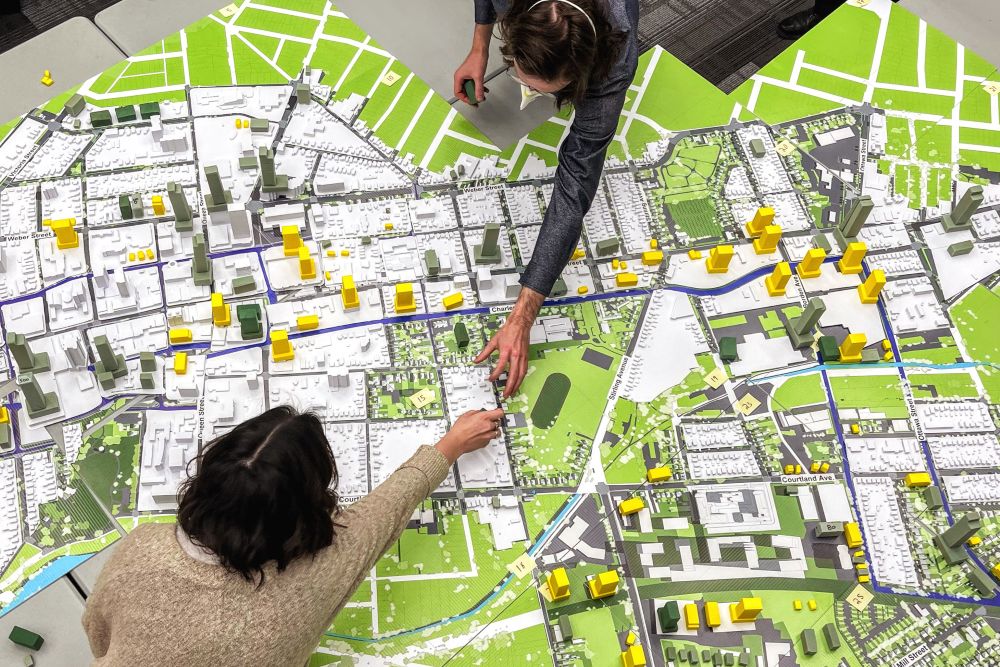
Growing Together is an equity-driven framework to transform Kitchener’s Major Transit Station Areas into vibrant, inclusive, and sustainable communities. It enables over 100,000 new homes, including 20,000 “missing middle” units and 4,500 affordable homes through inclusionary zoning. The plan eliminates parking minimums and density caps, introduces flexible zoning, and supports diverse housing types like multiplexes and purpose-built rentals. Innovative tools, including 3D-printed models, ensured community feedback shaped policy. By fostering mixed-use developments, aging-in-place options, and multigenerational housing, Growing Together advances Kitchener’s housing goals while setting a national standard for equitable, sustainable growth.
Team Members:
- Adam Clark
- Rosa Bustamante RPP, MCIP
- Natalie Goss RPP, MCIP
- John Zunic RPP, MCIP
- Richard Kelly-Ruetz RPP, MCIP
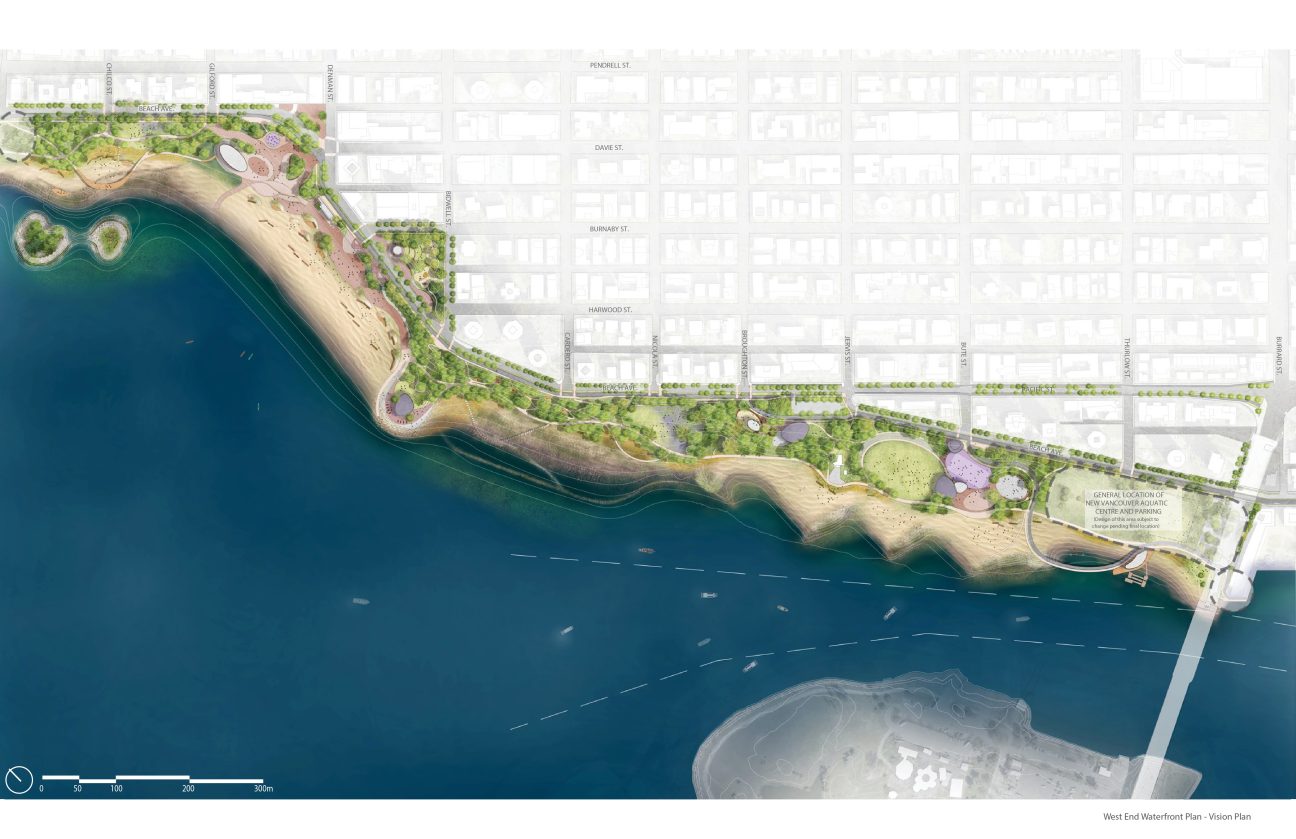
The Imagine West End Waterfront Vision Plan is a transformative 30-year strategy to address sea level rise, climate impacts, and population growth along Vancouver’s iconic West End Waterfront. Spanning Stanley Park to Burrard Bridge, the plan reimagines the waterfront with nature-based, climate-adaptive solutions like habitat islands, salt marshes, and terraced beaches. Centred on Truth and Reconciliation, it integrates Coast Salish Traditional Ecological Knowledge from the Musqueam, Squamish, and Tsleil-Waututh Nations. The plan emphasizes environmental restoration, cultural inclusivity, and equitable access, guiding the creation of resilient, interconnected urban parks that balance ecology, heritage, and recreation.
Team Members:
- Jordan McAuley
- Catarina Gomes RPP, MCIP
- Doug Shearer
- Tiina Mack
- Paul Storer
- Lindsay De Leeuw
- Kelty McKinnon
- Michelle Delk
- Nastaran Moradinejad
- Kate Larsen

The jfm+ project is a progressive, private planning initiative for Jane Finch Mall, located in one of Canada’s most multicultural neighbourhoods. Led by Urban Strategies Inc. alongside a local engagement team, the two-and-a-half-year process established a long-term planning framework for the Mall Site that would benefit both existing and new community members by increasing density along the new Finch West LRT. Engagement with over 2,000 residents and 35 organizations shaped the plan prior to submission, ensuring historically excluded voices were heard and community benefits were prioritized and delivered early. This equity-centered approach sets a new standard for inclusive urban planning.
Team Members:
- Emily Reisman RPP, MCIP
- Craig Lametti RPP, MCIP
- Yasmin Afshar
- Maxine Cudlip
- Keisha St. Louis-McBurnie
- Shannon Holness
- Troy Budhu
- Stephanie A Lucas
- Carmen Smith
- Sean Meagher
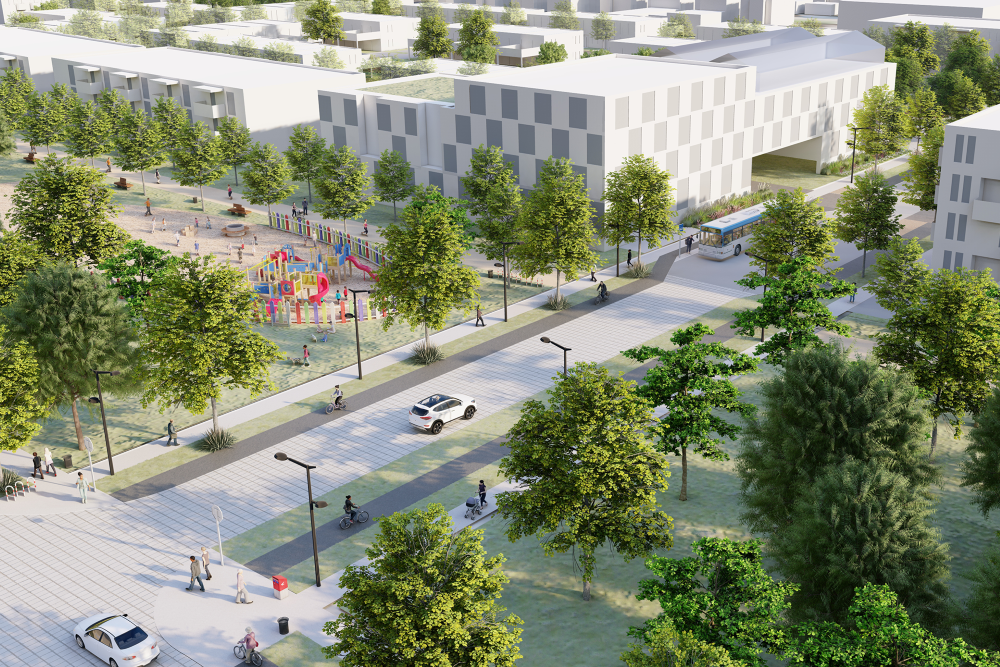
The Le Relais redevelopment plan in Trois-Rivières transforms a former industrial site into a sustainable neighbourhood. After the closure of the last factory in the Bas-du-Cap sector in 2008, leaving behind an 18.5 ha wasteland, the city initiated a public consultation and planning process. The plan integrates innovative design practices and emphasizes public participation, redefining the role of planners as facilitators of major urban projects. With a higher density than the surrounding area, the project aims to build 1,000 units, balancing urban consolidation with accessibility, quality of life, and financial sustainability for infrastructure and amenities.
Team Members:
- Louis-Michel Fournier-Renaud urbaniste
- Louis Mazerolle urbaniste, MCIP
- Marie-Eve Milot
- Joëlle Ouellette urbaniste, MCIP
- Paula Galeano
- Pamela Soto urbaniste
- Steven Hill Paquin
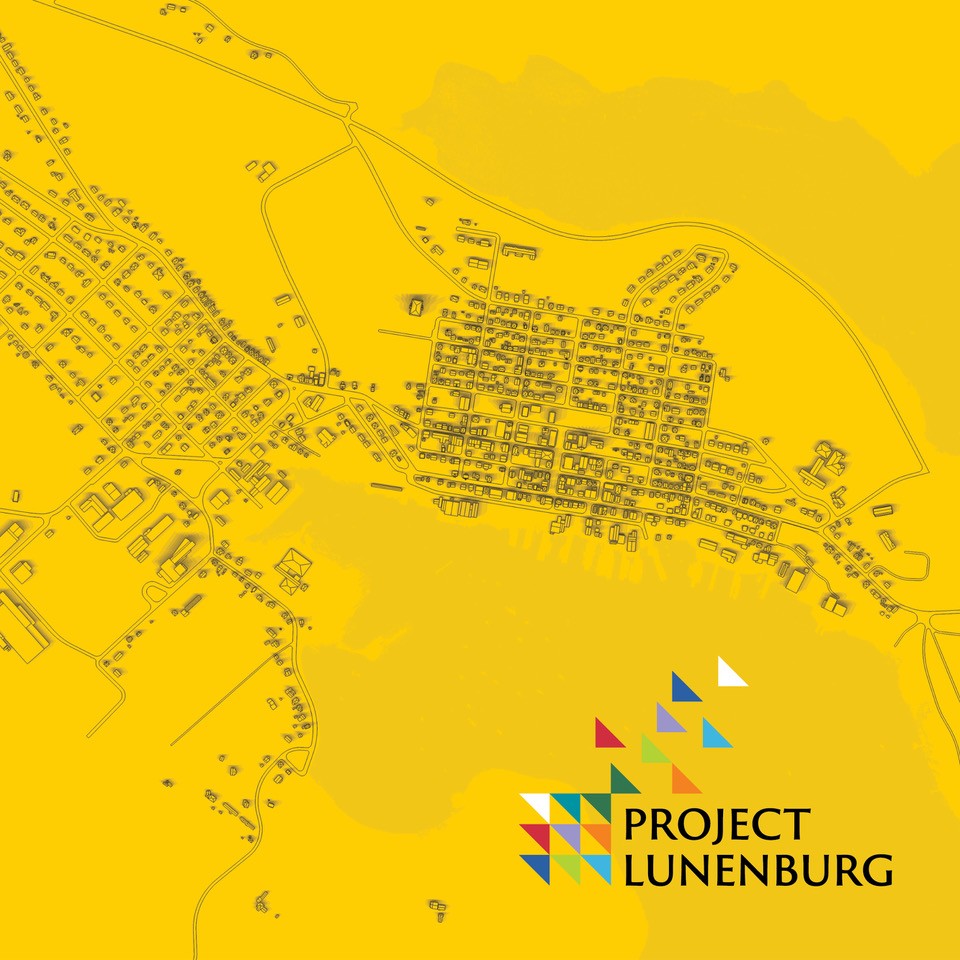
Project Lunenburg is a transformative planning initiative that developed a Comprehensive Community Plan (CCP), Municipal Planning Strategy (MPS), Land Use By-law (LUB), and Subdivision By-law (SUB) to shape the future of Lunenburg, a UNESCO World Heritage town. The project balanced the preservation of Lunenburg’s historical character with modern needs for housing, transportation, and environmental sustainability. Through an 18-month engagement process, over 400 community members contributed to a shared vision for the town’s future. A key innovation was the introduction of a modular zoning system that simplifies planning by applying Lot, Use, and Form Zones to each property, allowing for nuanced and flexible land use. This initiative has set the stage for future projects that align with the community’s values and long-term objectives, ensuring inclusive, sustainable development for the future.
Team Members:
- Steffen Kaeubler LPP, MCIP
- Ian Watson LPP, MCIP
- Bruce Mans LPP, MCIP
- Paul Dec LPP, MCIP
- Erica Brook
- Juniper Littlefield
- Kevin Cooper
- Neil R. Lovitt LPP, MCIP
- Wendy Shearer
- Emanuel Nicolescu LPP, MCIP
- Jason Genée RPP, MCIP
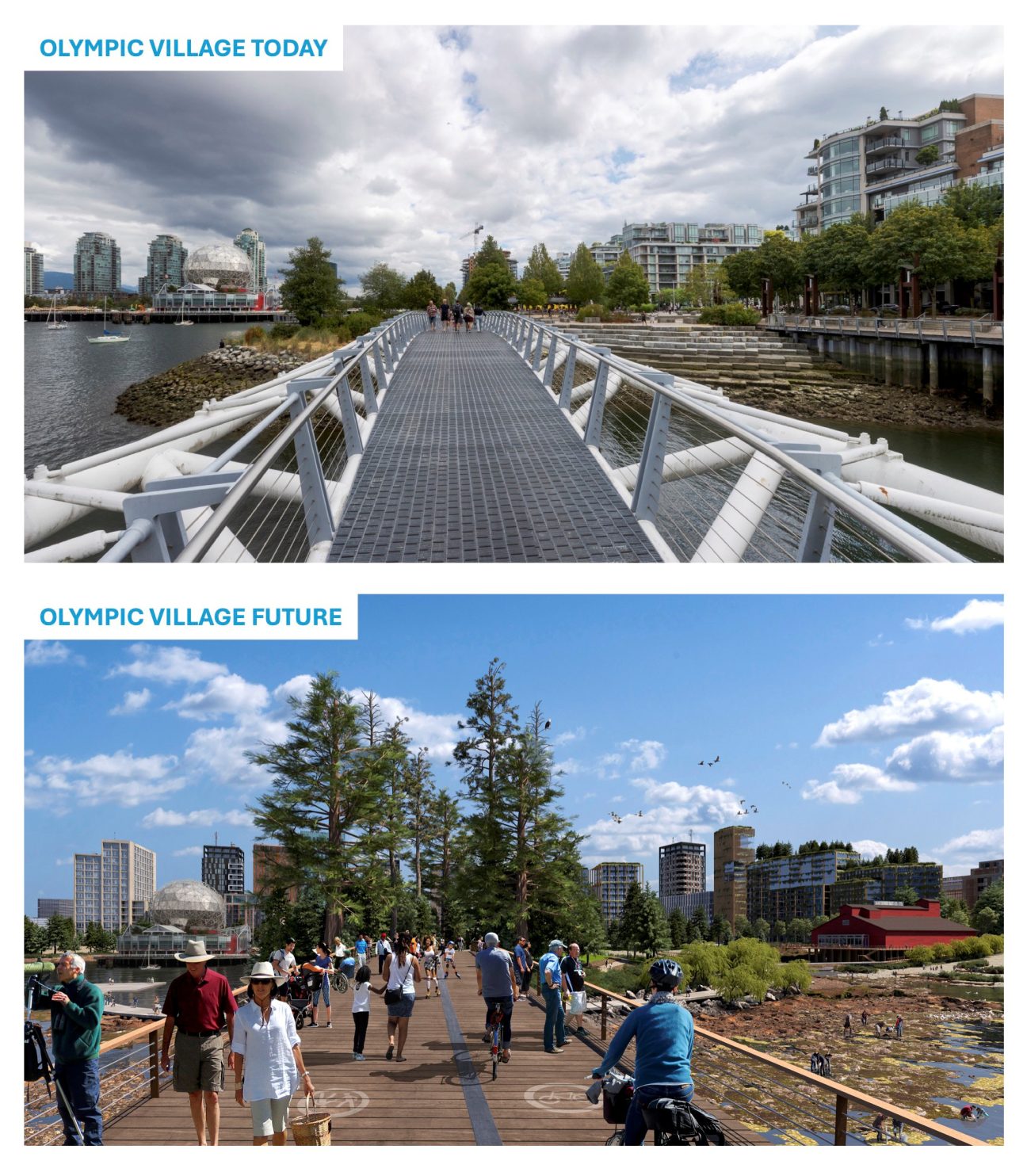
Sea2City was an innovative collaborative planning and design competition to rethink the future of Vancouver’s False Creek to adapt to rising sea levels while accommodating urban development and supporting ecological revitalization. The project fostered a collaborative, decolonized approach to planning, engaging two international multidisciplinary teams, City staff, local experts, and local First Nations (Musqueam, Squamish, Tsleil-Waututh). A bold vision for the beloved waterfront was crafted with extensive community engagement and was supported with a detailed adaptation pathway and planning tools to help realize it. Two Sea2City pilot projects are currently underway that are testing new approaches to more resilient coastal development.
Team Members:
- John Ingram RPP, MCIP
- Angela Danyluck

The Halal Housing Lab addresses the urgent need for affordable, culturally appropriate housing for Muslim families in Canada, particularly larger and multigenerational households. Integrating Islamic design principles, Shariah-compliant financing, and holistic development principles, the project developed scalable models that reflect Muslim values while meeting industry standards. Over 18 months, the Lab collaborated with the Muslim community and industry experts, securing a site in Edmonton, creating replicable housing and financing frameworks, and launching an Open-Source Guide. This work demonstrates how culturally inclusive housing solutions can strengthen communities and provide innovative approaches to meet diverse needs across the country.
Team Members:
- John Lewis RPP, MCIP
- Jay Heule
- Alastair Wycliffe-Jones
- Omar Yaqub
- Lena Awwad
- Anna Bubel
- Sherri Shorten
- Shafraaz Kaba

The ʔəy̓alməxʷ/Iy̓álmexw/Jericho Lands project is a transformative 90-acre redevelopment in Vancouver, guided by the cultural values of the xʷməθkʷəy̓əm (Musqueam), Sḵwx̱wú7mesh (Squamish), and səlílwətaɬ (Tsleil-Waututh) Nations. With plans to house 13,000 households, the project integrates Indigenous knowledge, prioritizing cultural expression, sustainability, and inclusivity. Key elements include honouring the land and water, and recognizing the site as an important place of gathering. The development will offer diverse housing, public spaces, and community amenities, all while delivering affordability, prioritizing active transportation, and celebrating xʷməθkʷəy̓əm, Sḵwx̱wú7mesh, and səlílwətaɬ cultures through collaborative planning
Team Members:
- Sxeláltenaat – Adrienne Charlie
- Charleen Grant
- Whonoak – Dennis Thomas
- Ts’kanchtn – Calvin Charlie-Dawson
- Hunas – William George Thomas
- Brennan Cook
- Elisa Campbell
- Matt Shillito
- Melanie Hare RPP, FCIP
- Michel Trocmé
- Sirous Ghanbarzadeh
- Chris Philips
- Tatjana Trebic RPP, MCIP
- Emory Davidge
- Kelty McKinnon
Celebrating Our Volunteers
CIP’s work wouldn’t be possible without the dedication of our members who volunteer their time, knowledge, and expertise. Thank you for your dedication and service.
Thank you to the 2025 CIP Staff Team
Deborah Morrison, Chief Executive Officer
Karen Meades, Interim Chief Executive Officer
Marisa Lingard, Chief Operating Officer
Valérie Broadfoot, Director, Development
Kristen Harrison MRAIC, Director, Policy and Government Relations
Amaka Obehi CPA, Director, Finance & Administration
Anita Badovszky, Coordinator, Communications
Assma Benhaddou, Specialist, Member Services
Shahzad Khaliq, Specialist, Finance & Technology
Rebecca Judd, Manager, Policy and Government Relations
Laurie Langlois, Senior Manager, Member Engagement
Lauren Murray, Senior Manager, Communications
Delphine Robitaille, Officer, Governance and Member Services
Wendy Vance, Manager, Projects and Events
Hannah Whitworth, Specialist, Recognition and Member Engagement